Free guide
Heritage and classic gardens on the North Shore
Camellias glowing in winter, azaleas in spring, a clipped hedge along the front fence. The North Shore's classic gardens are part of what makes our streets special. Here's how to look after them, and how to mix in natives without losing the charm.
On this page: our garden heritage · camellias · azaleas · hydrangeas · roses · gardenias & magnolias · hedges · cottage borders · mixing with natives · calendar
The North Shore's garden heritage
Much of the upper North Shore was built up in the Federation era (around 1890–1915) and between the two World Wars. Ku-ring-gai Council protects many of these streets as heritage conservation areas: places where the houses, gardens, hedges and street trees together make the character of the areaKRG-H. Big trees, deep front gardens, clipped hedges and flowering shrubs are all part of that look.
The camellia connection
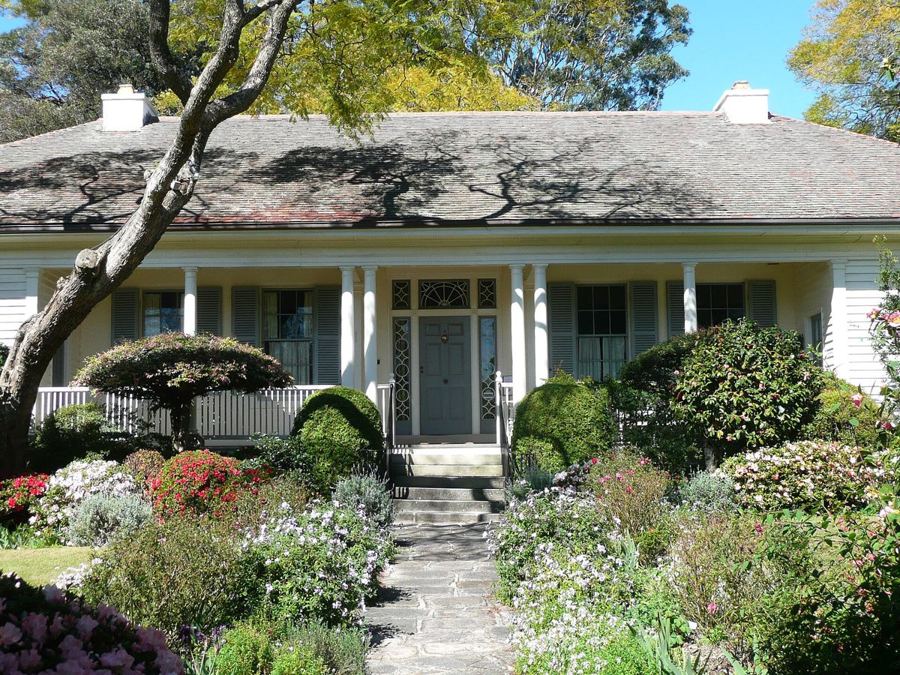
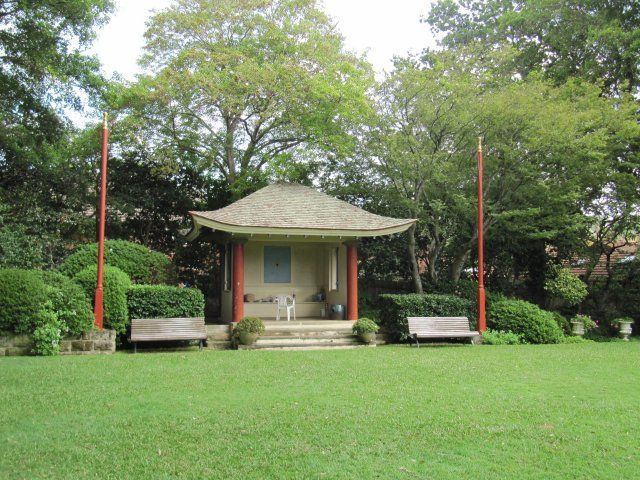
The North Shore has a special link with camellias. Eryldene in Gordon was the home of Professor E.G. Waterhouse, who bought the land in 1913 and had the house designed by architect William Hardy WilsonERY. Waterhouse researched camellia history and names, co-founded the Australian and New Zealand Camellia Research Society, and started Camellia Grove nursery at St Ives in 1939ERY. The house and garden are on the NSW State Heritage Register, which notes his world-renowned work on camellia names and breedingHNSW. Eryldene is run by a trust and opens on set days, so check their website before you go.

.jpg)
Camellias in depth
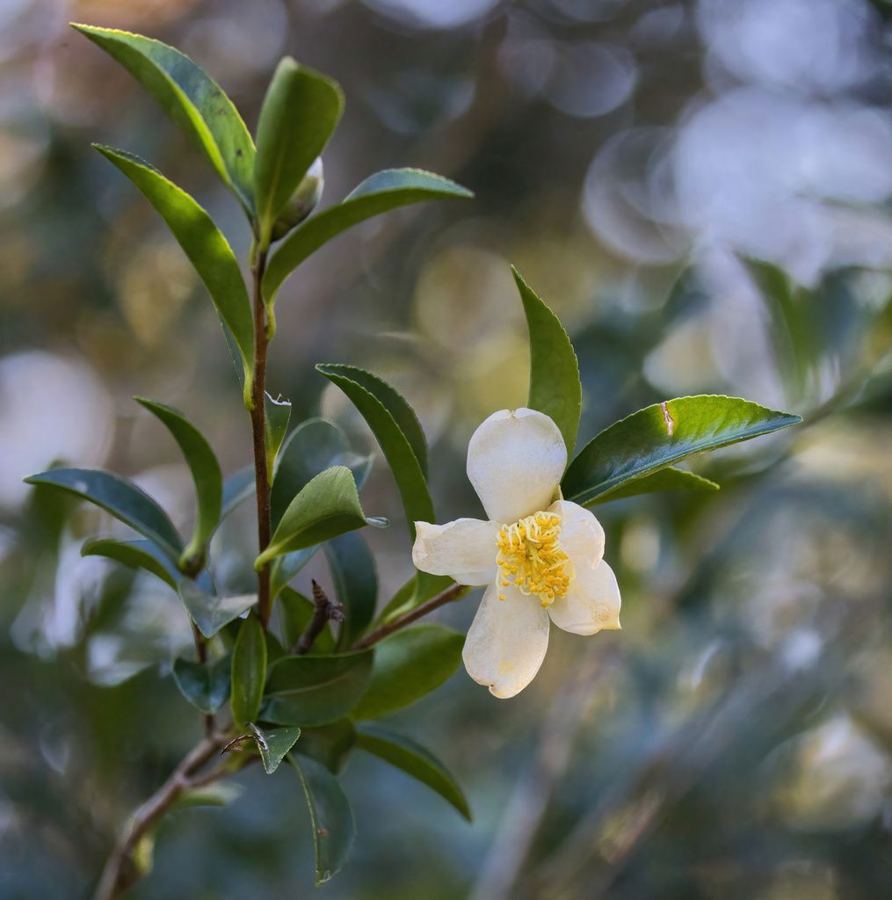
Sasanqua (Camellia sasanqua)
Care basics
- Position: sasanquas take sun; japonicas like morning sun and afternoon shade. Strong afternoon sun can scorch flowersGC.
- Soil: camellias need acid, humus-rich soilGC. Most North Shore soils suit them.
- Water: steady moisture with good drainage, especially in the first couple of yearsGC. How often depends on your soil: sandy soil dries out fast, clay holds water. From the field
- Feeding: a camellia fertiliser in early spring and late summerGC.
- Mulch, my rule: no mulching by the calendar. Whether a camellia bed needs mulch is decided on site. If it does, it's coarse mulch only, usually 50–75 mm, kept well clear of the trunk, and no fine mulch layers. Camellias have shallow roots, so a thick, fine, soggy blanket does more harm than good. From the field
Pruning: after flowering, never late
Prune camellias as soon as flowering finishes, ideally before spring growth starts. Don't leave it until the end of the year: December is when camellias start forming next year's flower budsCI-P. Light pruning after flowering keeps the shape and encourages bushy growthGC. For sasanqua hedges, do the final trim no later than mid-summerGC. Pruning also opens the bush up, which helps keep scale and mites downCI-P.
"You can prune a camellia any time."
Prune late and you cut off next winter's flowers. The rule: straight after flowering, and never from December on.
Petal blight
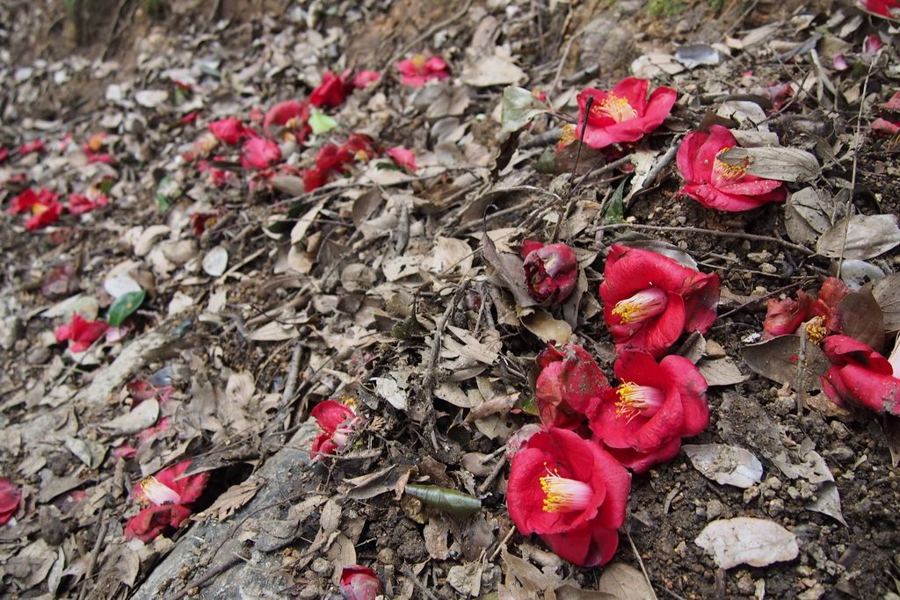
Camellia petal blight is a fungus that turns petals brown soon after they open. It was confirmed in Australia in February 2023, including in NSWCI-D. The advice: pick up fallen flowers from under the bush and put them in the red (general waste) bin, not the green bin or the compost, where spores spreadCI-D. Not every brown flower is petal blight (sun, frost and old age brown petals too), so if you're unsure, ask. From the field
Tea scale
Leaves going yellowish or blotchy? Look underneath. Tea scale shows as small black or brown spots on the leaves: each is a tiny sap-sucking insect under a hard shellCI-D. Thinning crowded growth helpsCI-P. Horticultural oil is a common treatmentGC; always follow the label.
✓ Do this
- Prune straight after flowering
- Pick up fallen flowers in winter
- Check leaf undersides for scale
- Water by your soil, not by the calendar
✗ Not that
- Prune from December onwards
- Put fallen camellia flowers in the green bin
- Pile fine mulch against the trunk
- Plant japonicas in hot afternoon sun
Get in touch for a quote
Precision pruning is one of my specialties: camellias, azaleas and other flowering shrubs shaped at the right time, so you keep next season's flowers. Hedges and espaliers too.
Azaleas
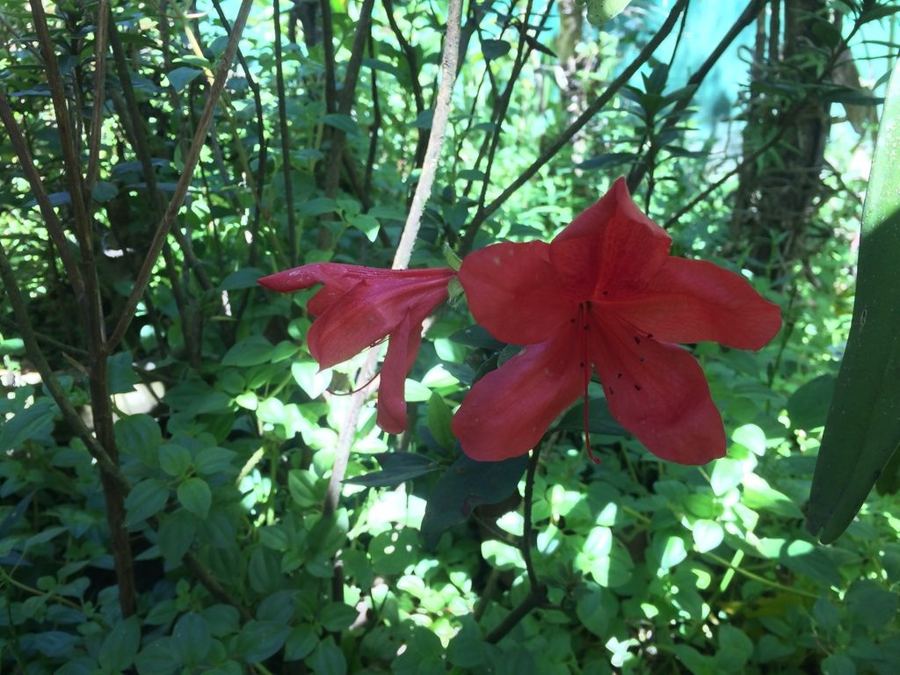
- Like part shade, protection from harsh afternoon sun, and acid soil (pH around 5.5–6.0)YAZ.
- Prune straight after flowering, which is usually late springYAZ.
- Azalea petal blight makes flowers go brown and mushy. Pick off and bin affected flowers, and avoid wetting the flowers when you waterYPB.
- Yellowing leaves often mean the soil isn't acid enough for the plant to take up ironYAZ.
Hydrangeas
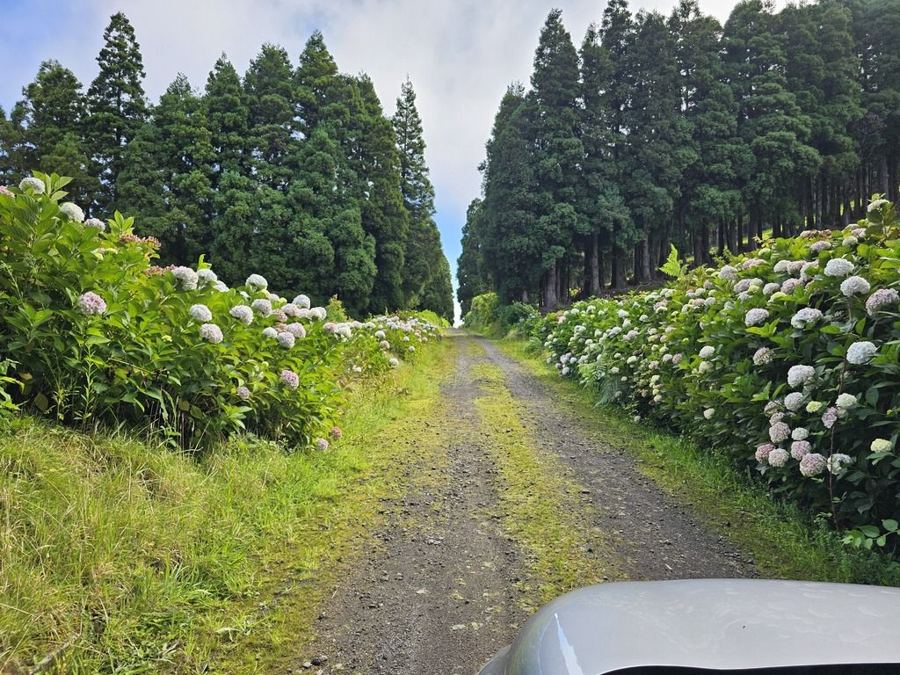
- The colour of mophead hydrangeas changes with your soil: acid soil gives blue, alkaline soil gives pink. White ones stay whiteGAH.
- Prune in late winter. Cut stems that flowered back to a pair of fat buds, and leave stems that didn't flower: they carry this year's flowers. From the field
- They wilt dramatically on hot afternoons. That doesn't always mean they need water, so check the soil first. From the field
Roses
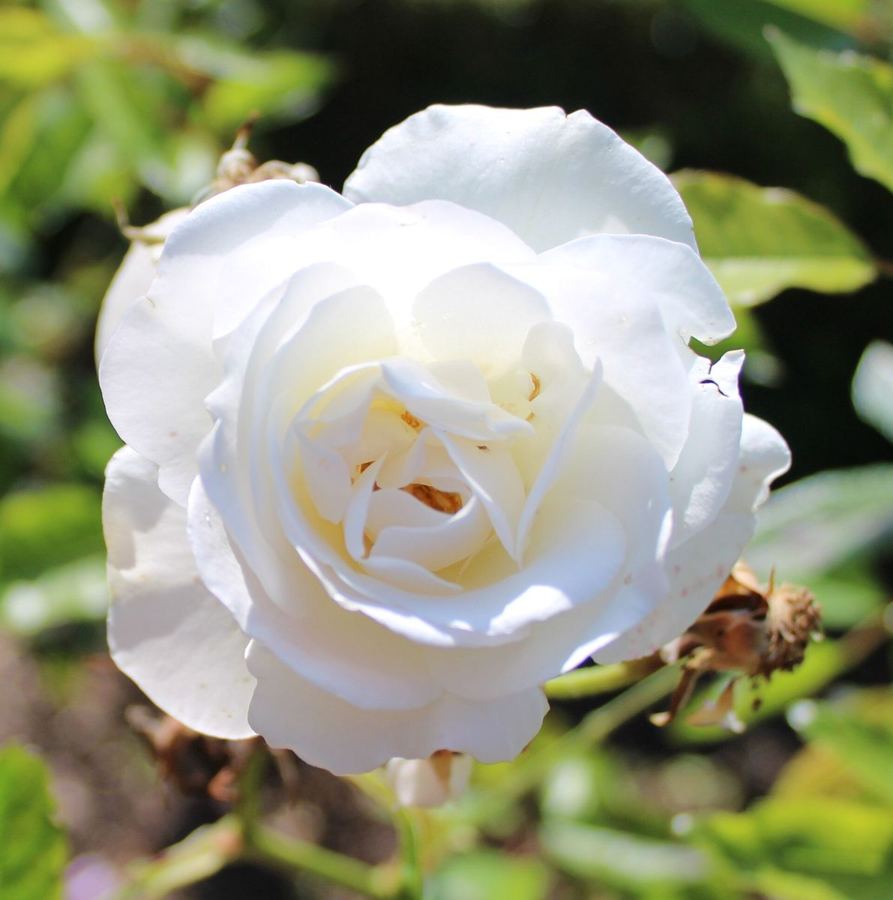
- July is the main pruning month in mild areas. In cold, frosty spots, wait until AugustRS.
- Clean up prunings and fallen leaves straight after pruningRS.
- The second half of August is ideal for feedingRS.

Gardenias and magnolias
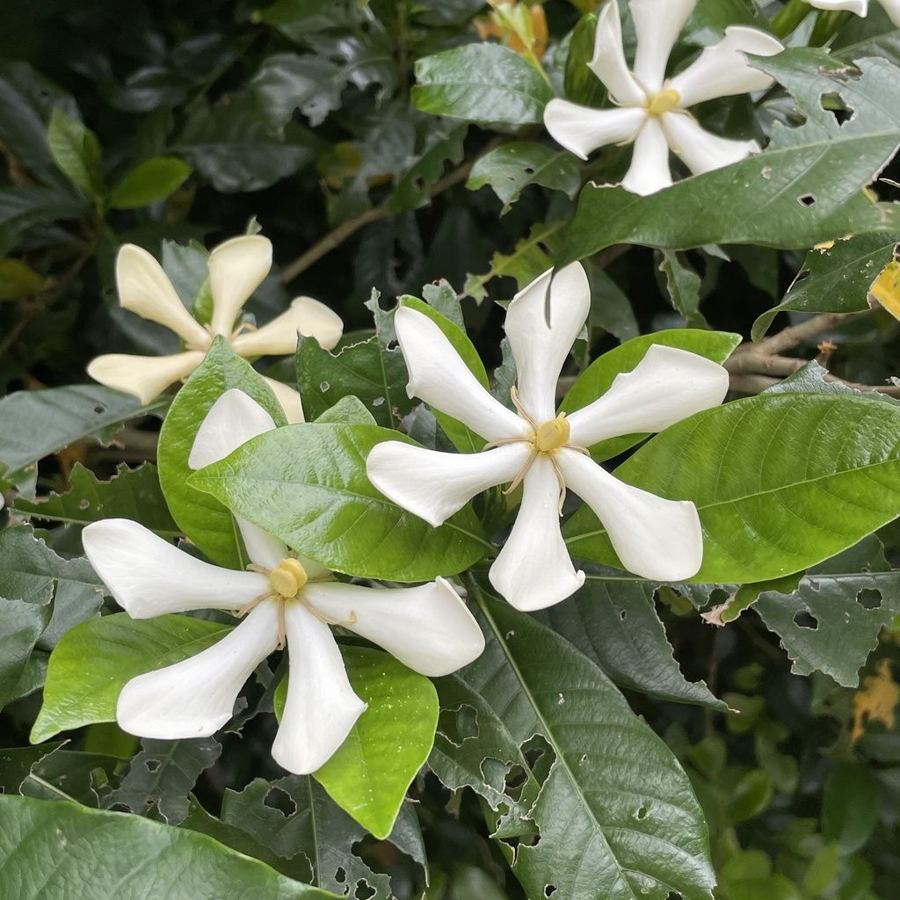
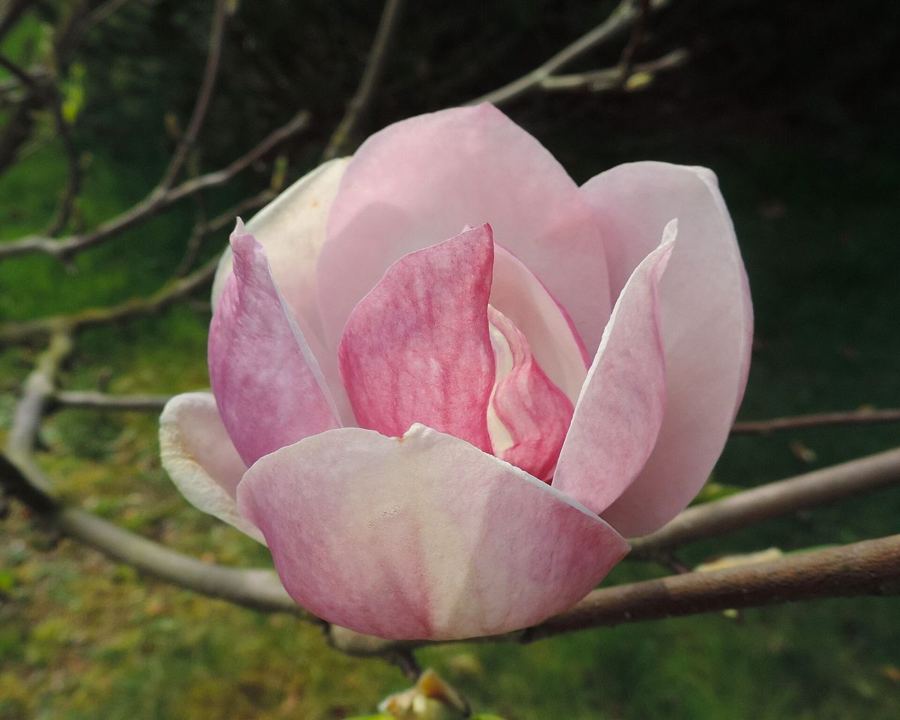
- Gardenias (Gardenia jasminoides) flower from late spring into summer. Prune just after flowering, usually late summer or early autumnYG. Yellow leaves usually mean the soil isn't acid enough (they like pH 5.0–6.5)YG. Buds that brown or won't open can be thrips, dry soil or hungerYG.
- Magnolias need very little pruning. If you must, do it just after flowering and keep cuts small. From the field

Clipped hedges: buxus, murraya and friends
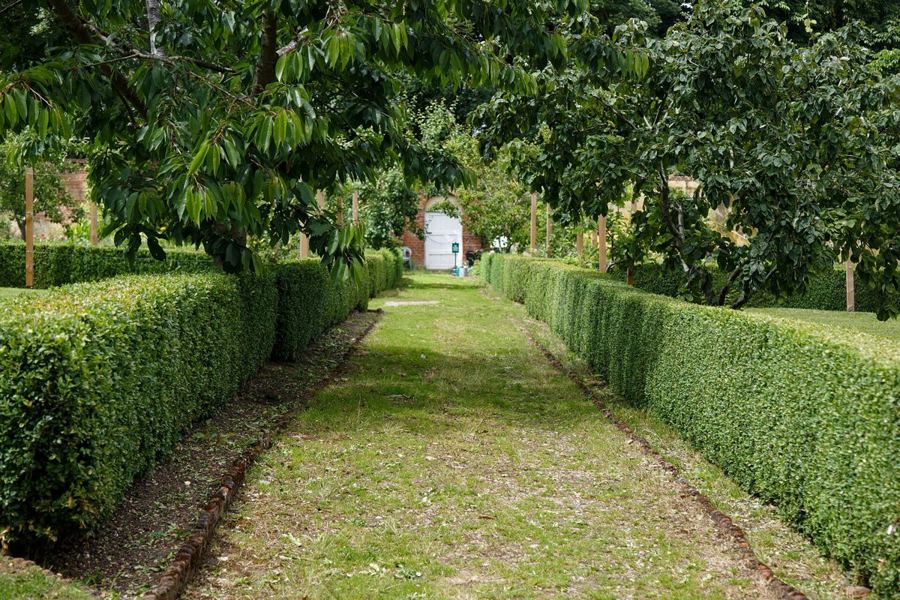
- Box (buxus) is the classic low, formal hedge. It's not on NSW weed lists. Clip little and often in the growing season. From the field
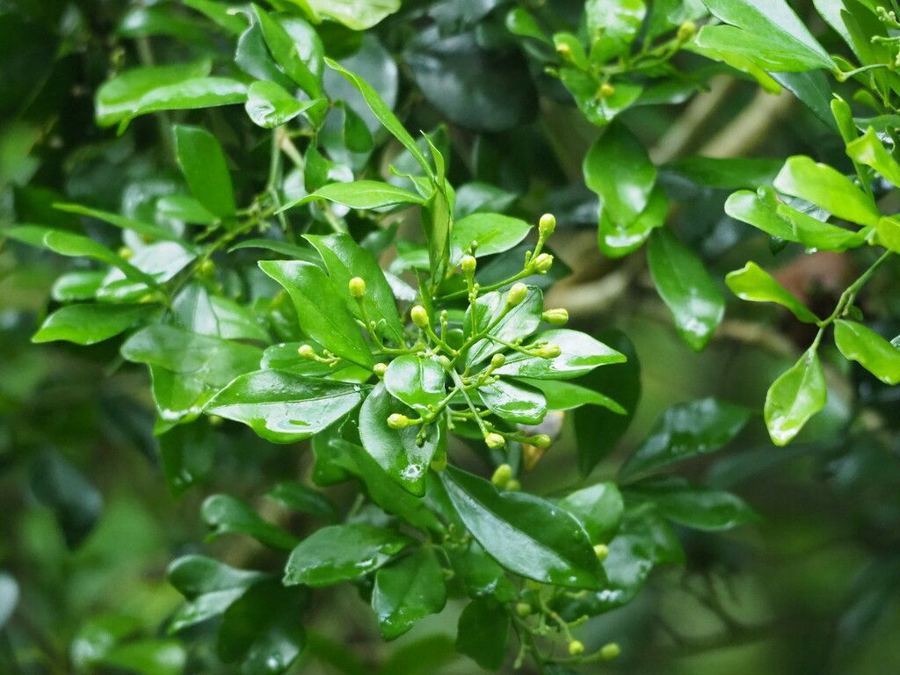
- Murraya (orange jessamine, Murraya paniculata): handle with care. NSW WeedWise says the common garden form, 'Exotica', has become an environmental weed in parts of NSW, because birds eat the red berries and spread the seed. Some hybrid cultivars are sterileWW. The Sydney Weeds Network lists seed-grown murraya as a bushland weedSWN.
- Already have a murraya hedge? Keep it clipped so it doesn't flower and fruit much, and don't dump the clippings in bushland.
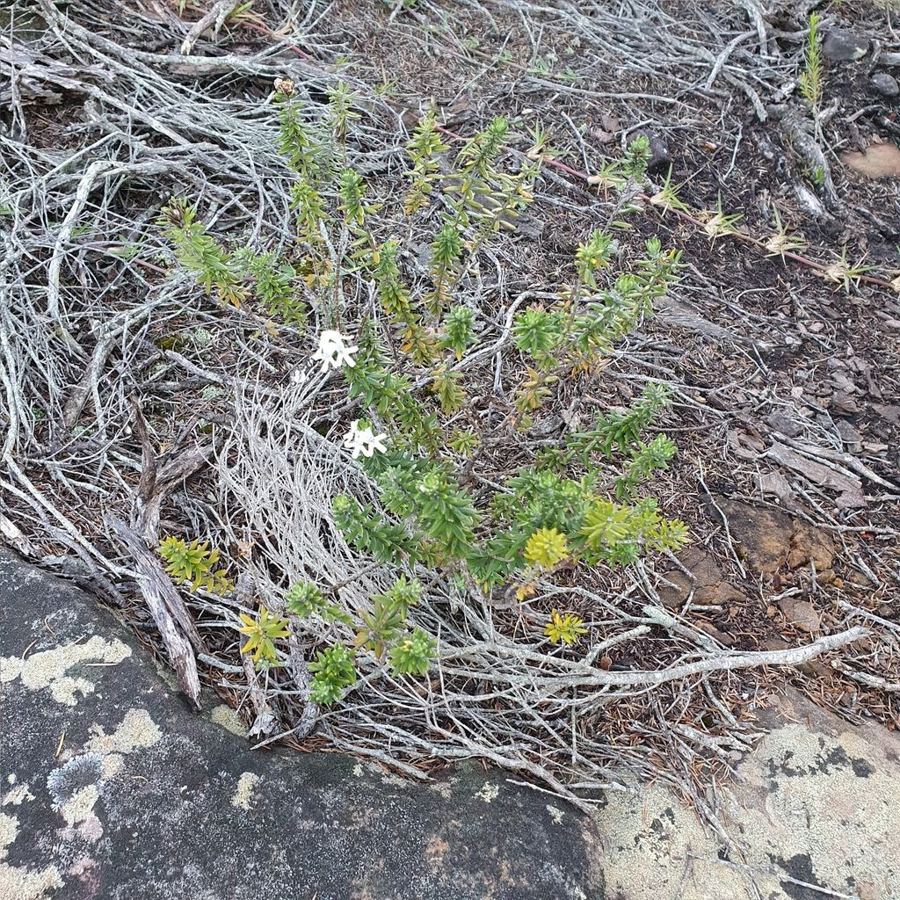
- Planting new? Ask the nursery for a low-fruiting or sterile variety, or choose a native hedge such as coastal rosemary (Westringia fruticosa).
- Sasanqua camellias make a beautiful flowering hedge (last trim by mid-summer)GC.

Cottage borders and perennial displays
A cottage border is a happy jumble: tall spires at the back, soft mounds in the middle, and bright flowers spilling over the front edge. Lovely, as long as you leave out the plants that escape into bushland. The Sydney Weeds Network lists agapanthus, gazania, canna, gaura, seaside daisy, coreopsis, scarlet sage and exotic verbenas among Sydney's garden escapesSWN. My mixed border guide has safe swaps for each.
Deadhead near the bush. If your garden backs onto bushland, snip off spent flowers before they seed. It keeps the border flowering longer, too.
Mixing classics with natives
Ku-ring-gai Council points out that many natives blend well with exotic plantsKRG-N. A few combinations I like: From the field
- Camellias with a skirt of native violets or dianella underneath.
- A clipped hedge of coastal rosemary (Westringia) in place of box.
- Roses with native daisies (Brachyscome) and blue flax-lilies along the front.
- Hydrangeas in shade with native ferns.
Seasonal care calendar highlights
Autumn (Mar–May)
- Sasanqua camellias flower
- Plant natives (Ku-ring-gai Council calls autumn the ideal time) and new camellias
- Sow cool-season meadow flowers and wallaby grasses
- No trimming sasanqua hedges while they flower
Winter (Jun–Aug)
- Japonica camellias flower
- Pick up fallen camellia flowers (red-bin them)
- Prune roses in July (wait till August in frosty pockets)
- Prune hydrangeas in late winter
Spring (Sep–Nov)
- Azaleas flower: prune straight after
- Prune camellias as flowering finishes, before new growth
- Sow warm-season annuals; spring sowing for kangaroo grass
- Feed roses in late August–September
Summer (Dec–Feb)
- Gardenias flower: prune after
- Last sasanqua hedge trim by mid-summer
- No camellia pruning from December: next year's buds are forming
- Check for tea scale; water by soil type, not by habit
Precision pruning and regular care, booked ahead
I offer precision pruning of camellias and flowering shrubs, hedge shaping, and regular garden care planned around the seasons, so the right job happens at the right time. Quote first.
Sources
- KRG-H Ku-ring-gai Council, Heritage conservation areas Link
- ERY Eryldene Trust, History and Camellia Collection Link
- HNSW Heritage NSW, State Heritage Register: Eryldene Link
- GC The Garden Clinic, "Charming Camellias" (2025) Link
- CI-P Camellias Illawarra, Pruning Link
- CI-D Camellias Illawarra, Pests & Diseases (petal blight confirmed in Australia, Feb 2023) Link
- YAZ Yates Australia, How to grow azaleas Link
- YPB Yates Australia, Petal blight Link
- GAH Gardening Australia, "Colouring Hydrangeas" Link
- RS Rose Society of NSW, Rose care calendar Link
- YG Yates Australia, How to grow gardenias Link
- WW NSW WeedWise (DPIRD): weed profiles incl. Murraya, Paterson's curse, Mexican feather grass Link
- SWN Sydney Weeds Network, "Garden Escapes in Bushland and Reserves" (2021) Link
- KRG-N Ku-ring-gai Council, Native gardening in Ku-ring-gai Link
- From the field My own professional practice, not taken from a published source.
Eryldene is mentioned as local history only. This guide is general information, not advice for a specific site. Printable version: Heritage & Classic Gardens (PDF).
Keep your classic garden looking its best
Get in touch for a quote on precision pruning, hedge shaping or regular care. No travel fee on the North Shore.