Free guide
Native, classic or a mix? Choosing a garden style
There's no wrong answer. A bush garden, a camellia walk, a cottage border or a bit of everything can all be beautiful, and all can be kind to wildlife. Here's how to pick a style that suits you, your soil and your street.
Native
Local plants matched to your soil. Brilliant for birds, bees and lizards. Low water once settled.
Classic
Camellias, azaleas, hedges and roses. Structure, scent and winter flowers, and right at home in heritage streets.
A mix
Classic bones with native and perennial planting. Year-round interest and wildlife value.
Five questions to help you choose
- What's your soil? Sandy soils from sandstone suit banksias, grevilleas and everlastings. Clay soils from shale suit camellias, azaleas and many rainforest-edge natives. See watering natives for a quick soil test.
- How much sun? Meadows and cottage borders want full sun. Camellias, azaleas and ferns enjoy part shade.
- What does your house say? A Federation or inter-war home suits clipped hedges and flowering shrubs. A modern house can carry anything.
- How much time do you have? Formal hedges and roses need regular work. A settled native or mixed garden needs less.
- Do you back onto bushland? Then leave out anything that spreads by berries or windblown seed (see weeds to worry about).
The mixed border: natives + perennials
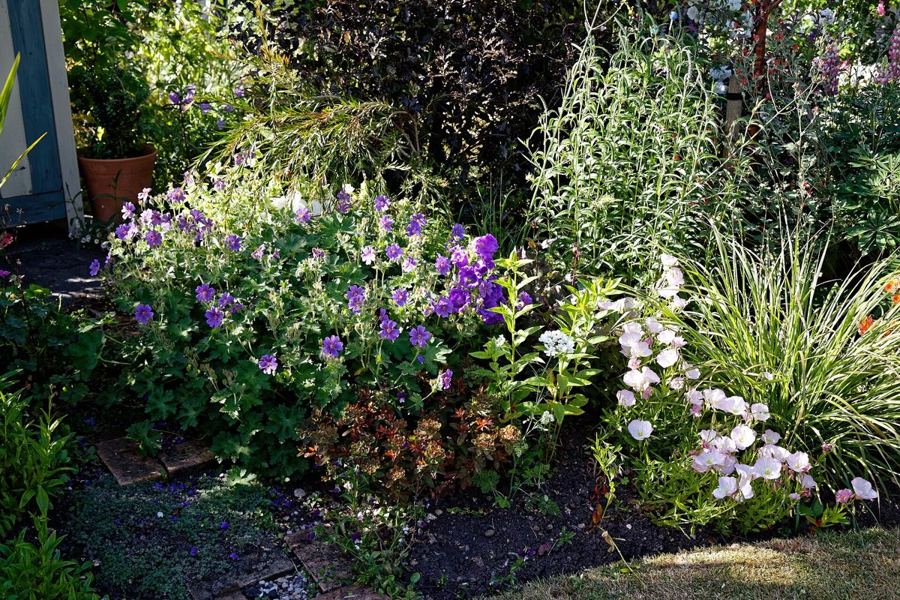
This is one of my favourite looks, and it suits sunny North Shore gardens beautifully. It's a long bed planted in layers, with natives and classic perennials side by side. From the field

How the look works
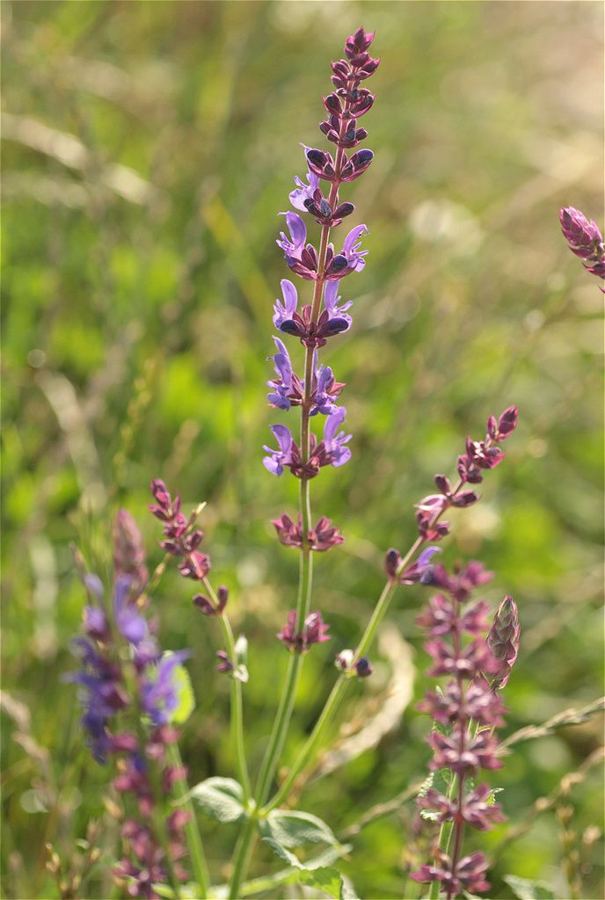
- Layered heights: tall spires at the back (salvias, gymea lily stems, kangaroo grass seed heads), medium mounds in the middle, low plants at the front.
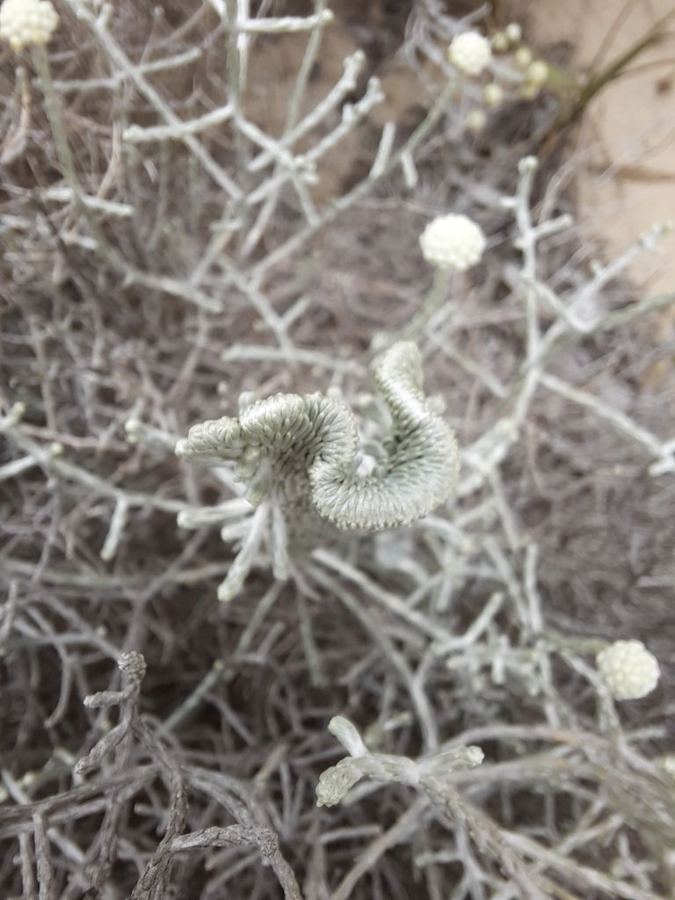
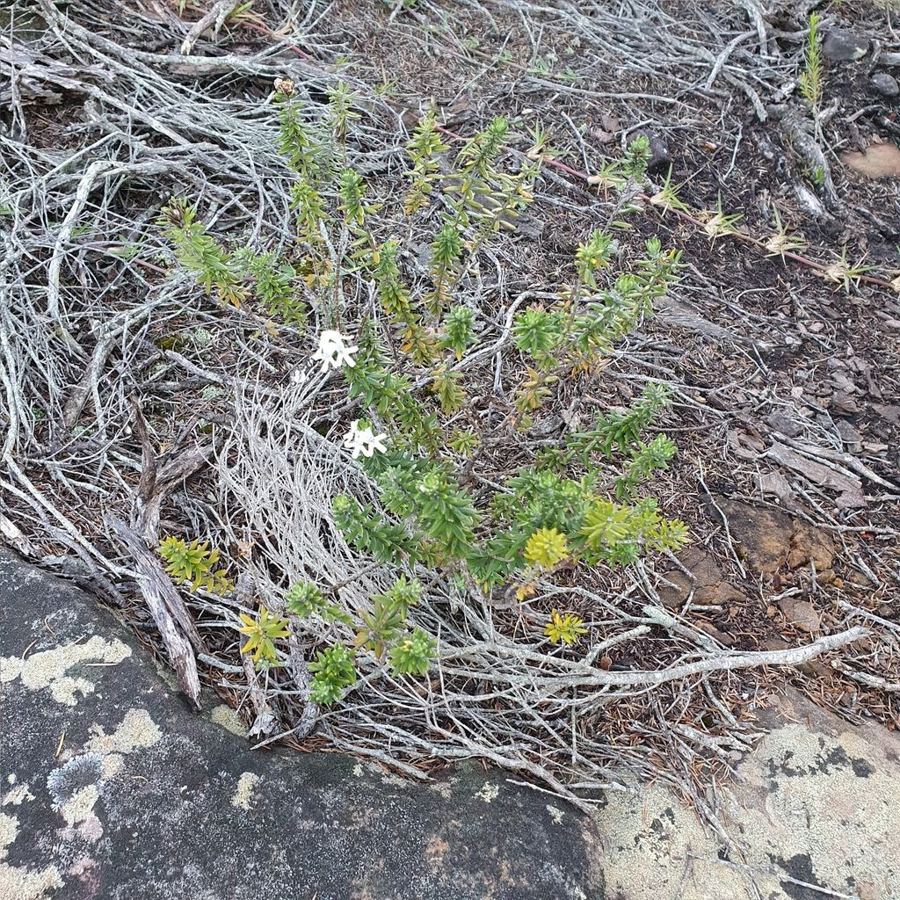
- Silvery mounds for contrast: cushion bush, coastal rosemary, common everlasting.
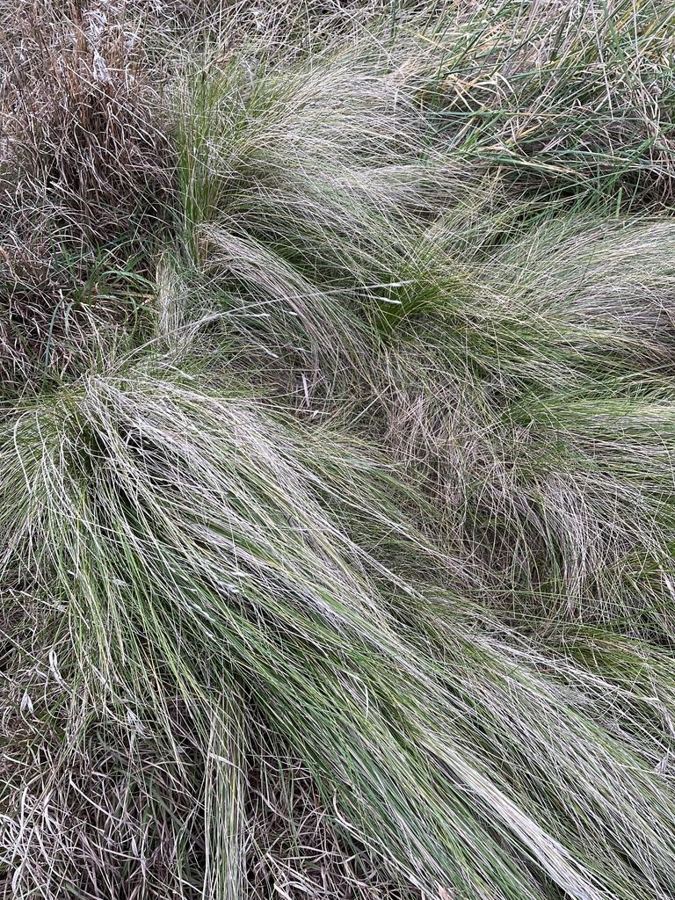
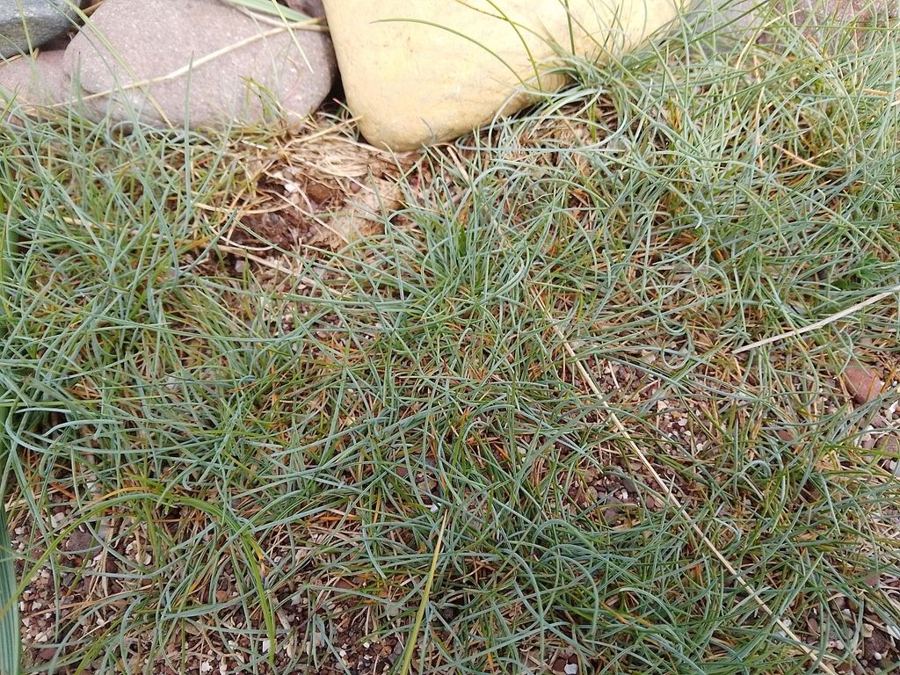
- Blue grassy tussocks: blue fescue or a native Poa, repeated along the bed so the eye travels.
- Bold-leaved accents: one or two big, strappy plants to stop it looking fussy.
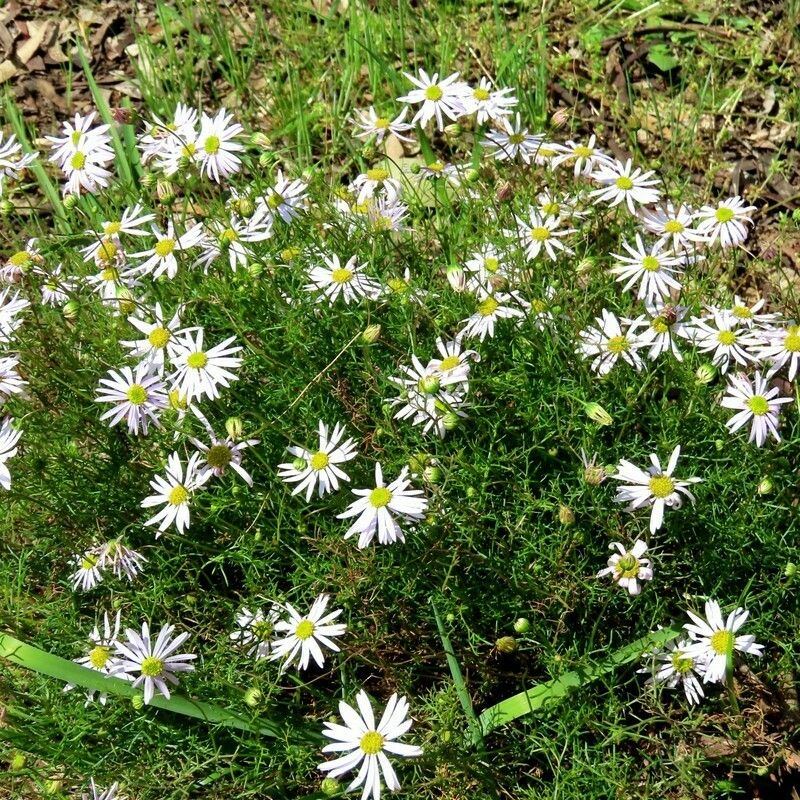
- Bright colour at the front edge: annual and perennial daisies, everlastings and seasonal colour, changed or topped up each season.
- Year-round structure: the tussocks, mounds and strappy leaves hold the shape in winter, when the flowers have a rest.
Repeating the same plant three or more times along a border is an old designer's trick. It makes a busy bed look calm and planned.
Safe swaps for the usual suspects
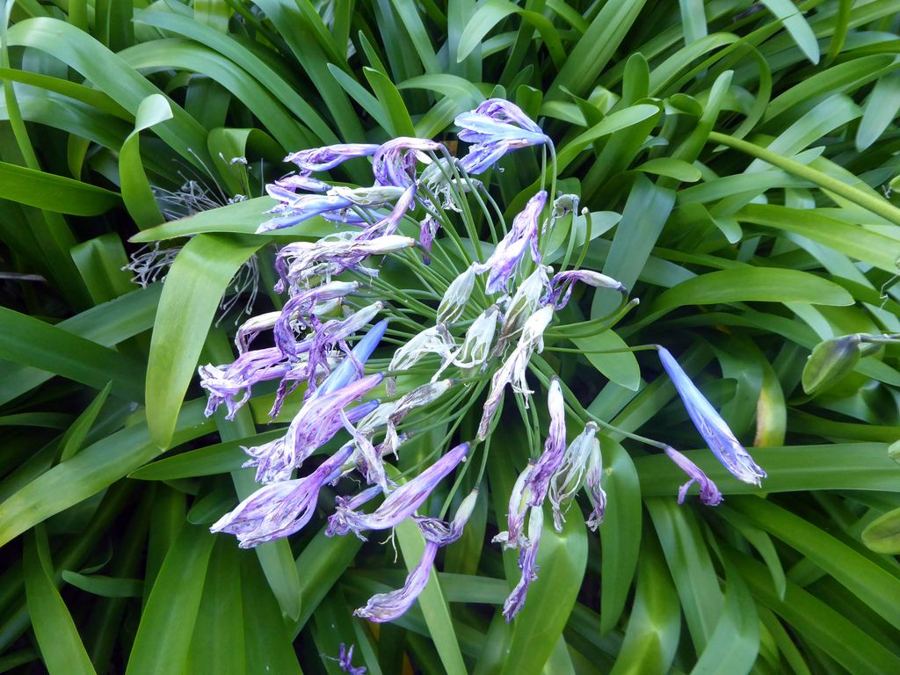
Many borders you see lean on agapanthus, gazania and canna. All three are listed as garden escapes in SydneySWNSWN-A, and gazania grows wild on coastal dunes from southern Sydney to GosfordPN. Here are swaps that give the same look:
| Instead of | Try |
|---|---|
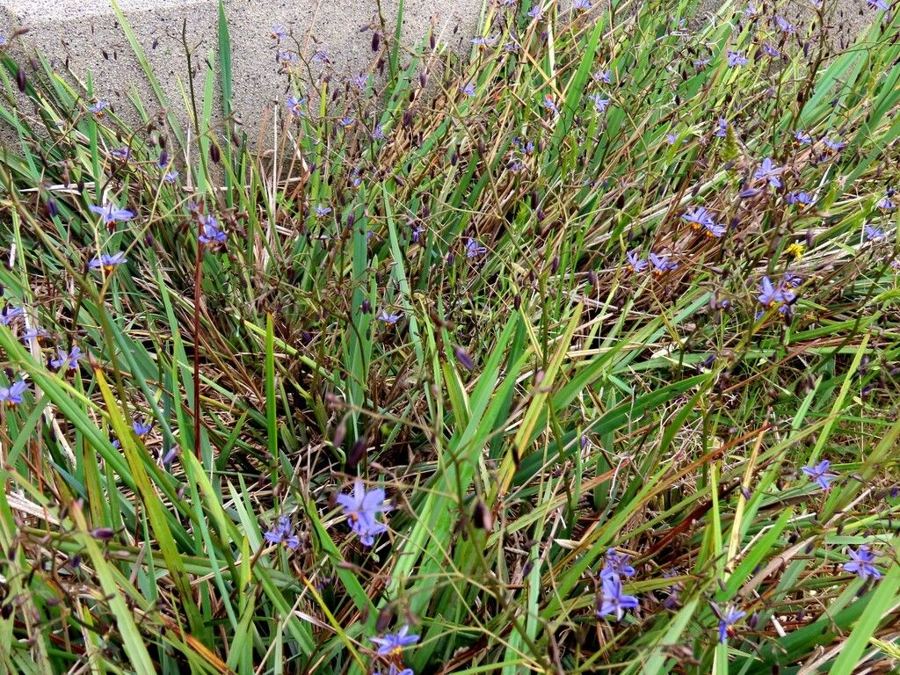
| Agapanthus Agapanthus spp. | Dianella (blue flax-lily), purple flag (Patersonia), or a low-seed agapanthus variety with spent stems cut off before they seed |
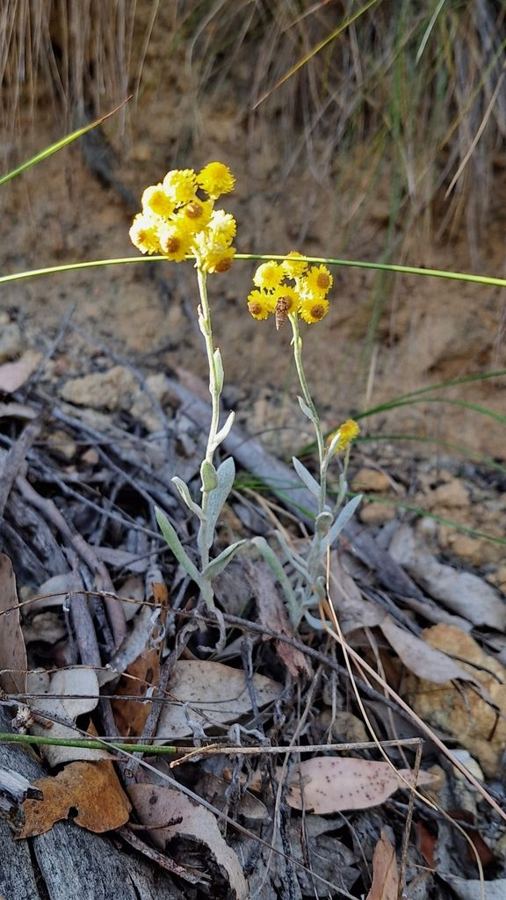
| Gazania Gazania spp. | Common everlasting (Chrysocephalum apiculatum), golden everlasting (Xerochrysum), native daisies (Brachyscome) |
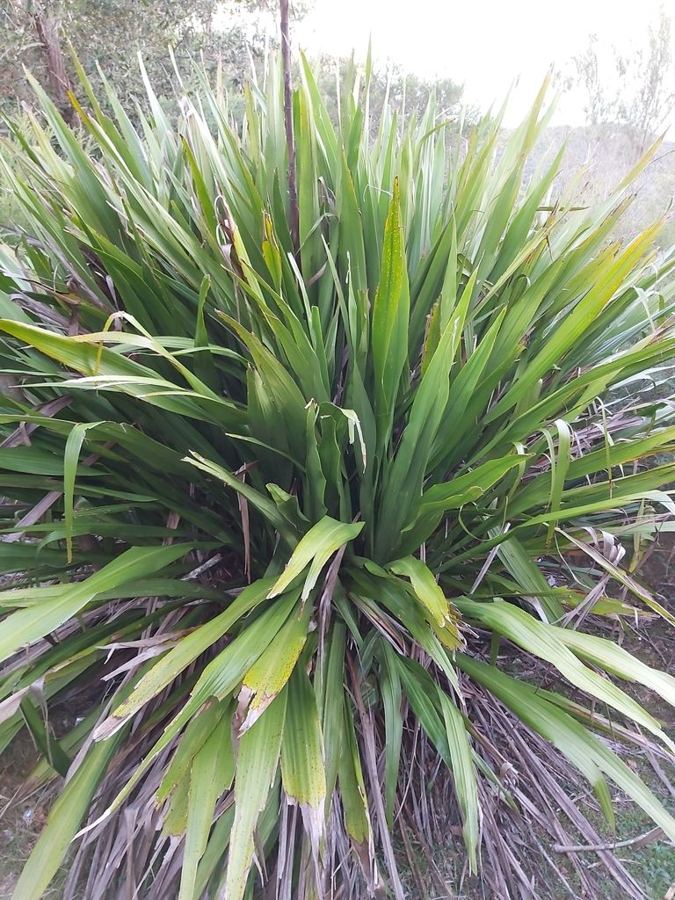
| Canna Canna spp. | Gymea lily (Doryanthes excelsa) for a big, bold leaf; or a clump of Lomandra |
| Blue fescue Festuca glauca | Fine as it is (not on NSW weed lists I checked), or a native blue tussock: Poa (e.g. Poa labillardierei, P. poiformis) or blue Lomandra cultivars |
| Silver mounds e.g. lavender, cotton lavender | Cushion bush (Leucophyta brownii), coastal rosemary (Westringia fruticosa) |
| Spires at the back salvias, delphiniums | Most perennial salvias are fine (skip scarlet sage, Salvia coccinea); add native spikes such as Gymea lily stems or kangaroo grass seed heads |
Cushion bush is native to southern Australia rather than Sydney, and blue fescue is not native; neither is on the NSW weed lists I checked. Lomandra 'Tanika' and other named cultivars are widely sold; ask your nursery which suit your soil. Plectranthus: several are native to eastern Australia and make good shade-tolerant fillers. From the field
✓ Do this
- Plant in layers: tall, middle, low
- Repeat key plants along the bed
- Use native strappy plants for structure
- Deadhead near bushland
✗ Not that
- Plant agapanthus or gazania next to bush
- Use one of everything
- Feed natives and perennials the same way
- Leave the bed bare in winter
Get in touch for a quote
I can plan a mixed border for your soil and sun, choose weed-safe plants, and plant it at the right time of year, then keep it looking good with seasonal care.
Every style can help wildlife
- Add a few local natives to any style: small birds use dense shrubs, and native bees love daisies.
- Leave a sunny patch of bare soil for ground-nesting native beesAB.
- Skip plants that escape into bushland.
- Water by your soil, not by the calendar.
Sources
- SWN Sydney Weeds Network, "Garden Escapes in Bushland and Reserves" (2021) Link
- SWN-A Sydney Weeds Network, Agapanthus fact sheet (2020) Link
- PN PlantNET (NSW Flora Online): species pages for distribution and naturalised status Link
- AB Aussie Bee, "Save ground nesting bees" Link
- From the field My own professional practice, not taken from a published source.
This guide is general information, not advice for a specific site. Printable version: Choosing a Garden Style (PDF).
Not sure which style suits your garden?
Get in touch for a quote. I'll look at your soil, light and house, and talk you through the options: native, classic or a mix.