Some of the weeds that keep coming up in Sydney lawns can be a clue that the soil is compacted. It's only a clue, not a diagnosis. One plant doesn't prove much, and the same weed can show up for other reasons as well, such as shade, bare ground or a wet winter.
These are the ones I see most often on the North Shore, and how they relate to hard, compacted ground.
If you just need to identify a weed, start with my weeds to worry about guide.
Bindii
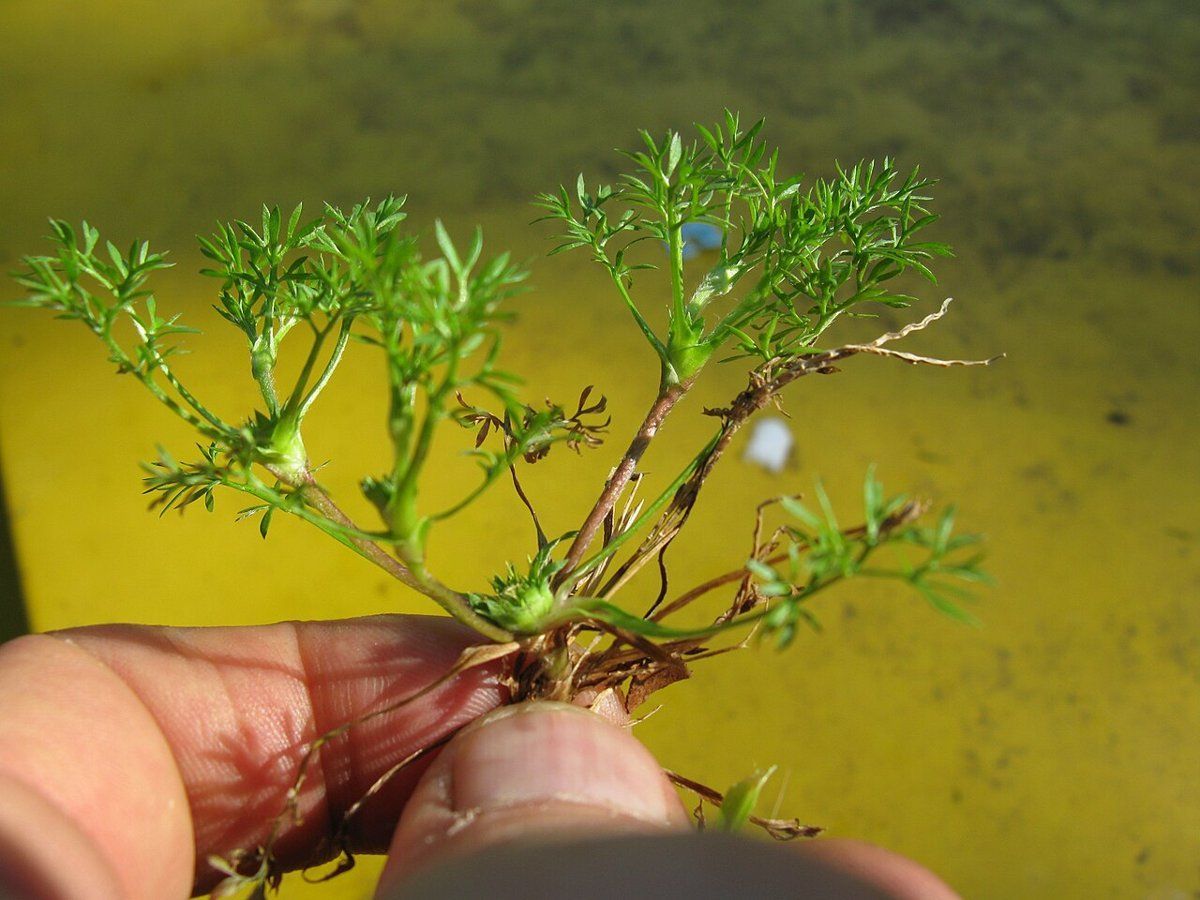
Bindii (Soliva sessilis) is the low, ferny plant you barely notice until the prickly seeds turn up in the lawn.
It favours thin, weak turf with gaps, and poor or compacted soil. It spreads only by seed. The seed comes up from about March or April as the weather cools, the plants grow through winter, and the spiny seeds ripen from about late August to late November.
If you want to stop next year's crop, pull or dig the plants in winter, before the burrs form. Longer term, the job is to ease the compaction and thicken the lawn so there's less bare soil for seed to land on.

Winter grass
Winter grass (Poa annua) shows up as soft, pale green tufts against buffalo, couch or kikuyu in the cooler months.
It tolerates compacted soil. It also does well in moist, shaded or thin lawn, and frequent light watering, especially in shade, gives it a head start.
It comes up in autumn as the soil cools, often with a second flush in spring. It usually dies back in summer heat, leaving bare patches that the next lot can fill.
Water more deeply and less often, ease compaction, and fill those summer gaps so they aren't bare next autumn.
Plantain
Plantain (Plantago species) grows as a rosette of ribbed leaves with brown, pencil-like seed heads on tall stems.
It's a common weed of poor lawns and disturbed ground. In a Dutch experiment, the roots of broadleaf plantain were the least affected by compacted soil of the three species tested. So plantain along a path edge or a worn patch often fits with foot traffic and compaction. It's still worth checking the soil itself before you assume that's the cause.
Moss
Moss isn't a weed in the usual sense, but it often turns up in the same tired patches of lawn. Many lawn mosses like shady, damp, compacted, acidic soil. The grass may also have been thinned by shade or by mowing too low, or it may just be a wet winter that fades again.
Letting in more light, aerating the soil and raising the mower all help. In deep shade, it can be easier to stop trying to keep a conventional lawn going. Native weeping grass (Microlaena stipoides) is my top pick for a shady native lawn.
Check the soil itself
The weeds are a starting point. To check for compaction, push a steel rod about 8 to 10 mm thick into the soil a day or two after good rain. If it suddenly gets hard at a certain depth, you've found a compacted or hard layer. Do this when the soil is moist all the way down, because almost any soil feels hard when it's dry.
If the weeds are along a path, a play area, or another spot people always walk, that worn strip is often compacted from foot traffic.
Once you know the ground is hard, it's better to ease the compaction and thicken the lawn than to keep pulling the same weeds.
Some low plants in lawns are local natives, not weeds, and don't mean anything is wrong with the soil. My natives mistaken for weeds guide shows how to tell them apart.
This guide is general information, not advice for a specific site.
Help with your garden
Get in touch for a quote if you'd like me to come and look at the weeds in your garden, check the soil underneath and work out what's causing them.
Sources
- Turfcare Australia (A. Leggett, agronomist, McGraths Hill NSW), Turf Tips: Bindii (Soliva sessilis)
- UC Statewide IPM Program, Annual bluegrass (Poa annua) Pest Notes
- Yates Australia, Winter grass problem solver
- HerbiGuide, Ribwort (Plantago lanceolata)
- Engelaar, Jacobs and Blom 1993, Root growth of Rumex and Plantago species in compacted and waterlogged soils, Acta Botanica Neerlandica 42(1): 25-35
- Royal Horticultural Society, Moss in lawns
- soilquality.org.au (S. Davies, DAFWA), Subsurface compaction fact sheet